What We Talk About When We Talk About Organizational Learning
Note from Beth: I’m hosting a small army of guest bloggers, grantmakers, who are attending the GeoFunders National Conference taking place this week in Seattle. The GEO community is united by a common drive to challenge the norm in pursuit of better results. GEO’s 2012 National Conference shares a range of perspectives and new ideas for smarter grantmaking that leads to better results and presents opportunities for participants to learn from the wisdom and experience of their peers. If you’re not attending and curious what funders are learning, you’ll have an opportunity to read some of the ideas and questions being discussed right here on this blog.
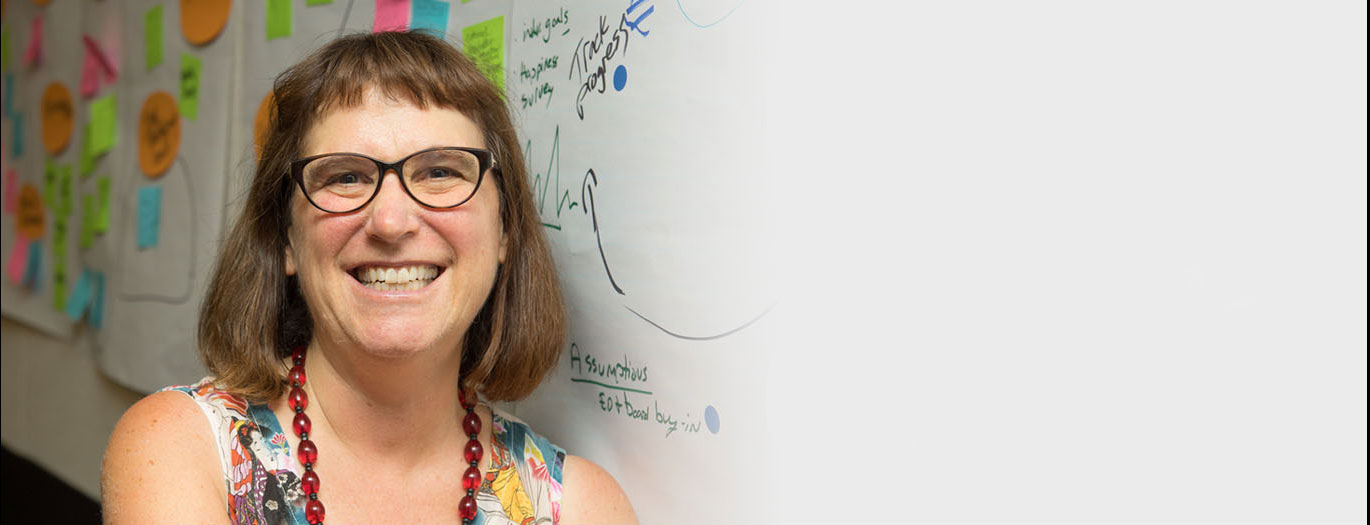
What We Talk About When We Talk About Organizational Learning – guest post by Cindy Rizzo
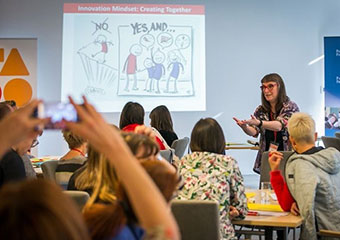
During the facilitated discussion session at GEO’s National Conference in Seattle it was my great privilege to convene a group of brave pioneers. Fifteen of us met for 90 minutes to share, commiserate, trade ideas and think about our work at the intersection of evaluation, knowledge management and organizational learning. I call this a group of pioneers because although evaluation in one form or another has been a part of philanthropy and the larger social sector for some time, it is only relatively recently that foundations have specifically devoted staff resources to the new perspective that evaluation and knowledge management are of greatest value when viewed through an organizational learning lens. GEO has been a leader in making this case through its publications and Learning Conference, and others, like Marilyn Darling, have been important thought leaders with groundbreaking publications like A Compass in the Woods.
Yet foundation staff charged with organizational learning responsibilities are still charting a new course in our field. When I asked the group at GEO what was keeping them up at night, it was remarkable how most of the issues raised were shared by so many of us around the table:
- How to explain the value of this work to our boards.
- How to set aside time for reflection and learning.
- How to create systems for accessing knowledge resources that foundation staff will use.
- How to use learning to improve practice.
While our field is very good at making sure staff spend sufficient time developing strategies and making grants, we are not yet as good at making sure that staff spend sufficient time on reflection, learning and the “back end” of the process, i.e., digesting grant reports, discussing them with grantees and disseminating results. Those of us involved in organizational learning of one type of another are at the forefront of trying to change this. And GEO has been our guide and our ally in explaining how learning, streamlining and stakeholder/grantee involvement all come together to improve impact. The difficult work begins when we leave the GEO Conference and go back to our offices to try to make this happen.
Luckily, the learning, evaluation and knowledge management pioneers want to keep talking and meeting. Someone at the table said, “I need thought partners,” which seemed to capture the general consensus among us. We’re going to start a listserv and take some initial steps to become our own combination of learning community and support group. We’re happy to carry over some additional chairs to widen the circle so you can join too. Just let me know and I’ll put you on the list.
Cindy Rizzo is the Senior Director for Grantmaking & Evaluation at the Arcus Foundation. She has been working in philanthropy for over 15 years in community and private foundation settings focused on social justice, conservation and health and human services.


Recent Comments